Faster Agent Onboarding System at Scale
Redesigning a fragmented onboarding experience for 40,000+ insurance agents across multiple products and states.
- Role · Product Designer / UX LeadTimeline · 9 monthsCompany · Progressive Insurance
Impact
40,000+
Agents onboarded
Context
The previous onboarding experience had grown fragmented over time. Agents applying to sell products had to navigate separate Auto and Property workflows, repetitive forms, unclear progress states, and static screening criteria that did not adapt to different states or business scenarios. This created friction for applicants and unnecessary workload for internal review teams.
Key Problems
- Duplicate onboarding flows
- Repetitive data entry
- Unqualified submissions reaching review teams
- Poor flexibility for state-specific requirements
- Difficult to scale and maintain
The Goal
Create one scalable onboarding system that simplified the experience for agents, reduced operational burden, improved screening quality, supported multiple products and states, and aligned with enterprise design standards.
The Solution
I redesigned the onboarding experience into a modular system that unified Auto and Property workflows into one guided experience. The new system introduced dynamic eligibility logic, clearer navigation, and front-loaded screening questions to prevent unqualified applicants from progressing too far.
What Changed
- Unified product onboarding into one workflow
- Dynamic state-based screening logic
- Clear progress and section navigation
- Reduced duplicate questions
- Scalable architecture for future growth
Design Process
Workflow Mapping
Before designing screens, I mapped all decision paths, edge cases, and ownership scenarios to understand the system complexity.
Agent Journey
Simplifying the Experience
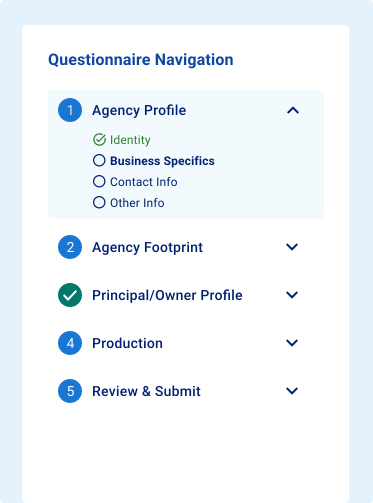
I reorganized long questionnaires into manageable sections with clearer hierarchy and more intuitive progression.
Front-Loaded Screening
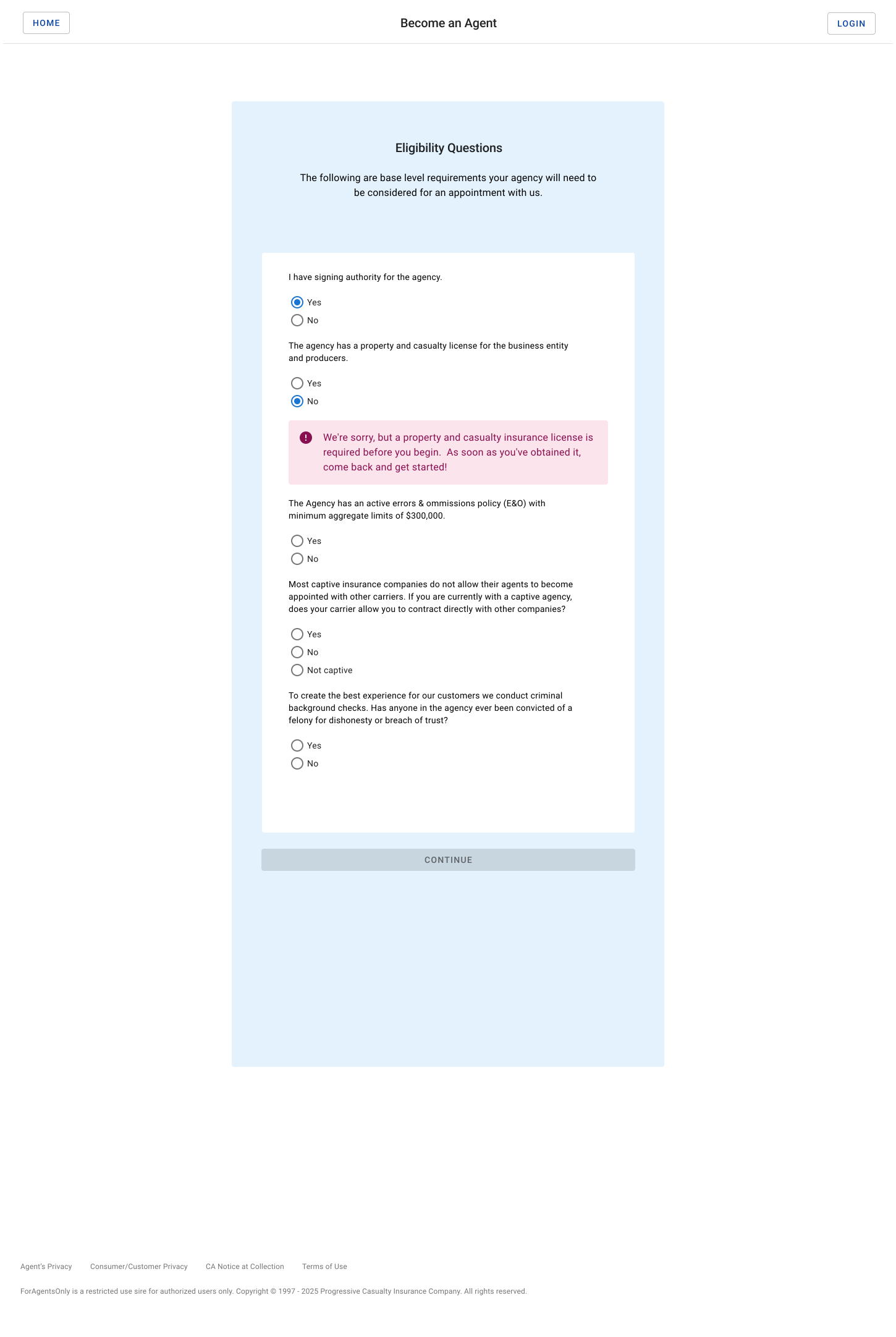
I introduced knockout questions early in the flow so ineligible applicants were identified sooner.
Designing for Complex Scenarios
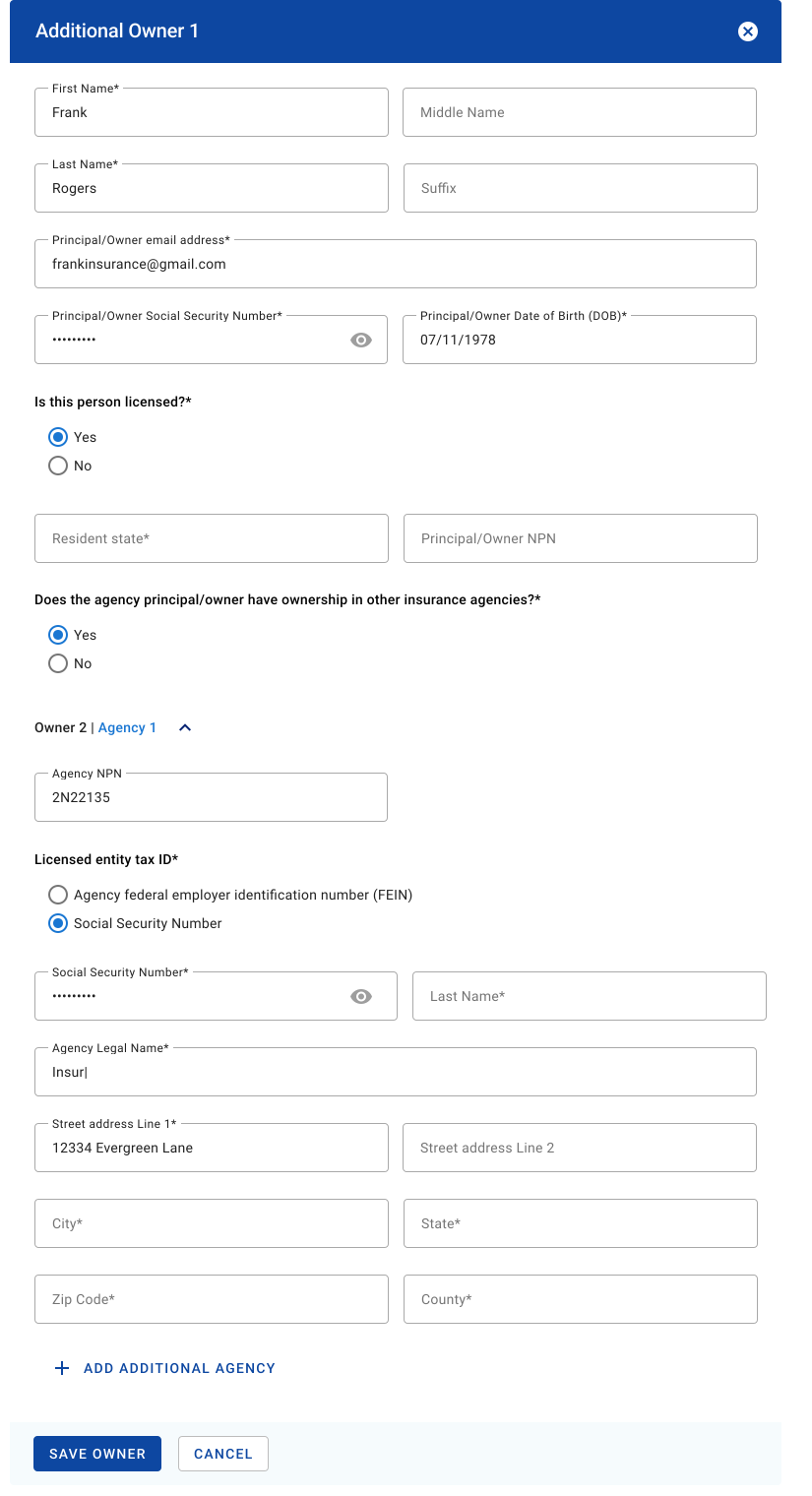
Created modular flows for scenarios like ownership changes, mergers, and varying state regulations while maintaining consistency.
Impact
Measured outcomes.
40k+
Agents supported
40+
Jurisdictions and states
Unified
Auto + property workflows
Multi-state
Scalable architecture
What I Learned
“Strong enterprise UX is often less about flashy UI and more about solving operational complexity. This project deepened my ability to design systems, align stakeholders, and turn messy workflows into clear experiences at scale.”